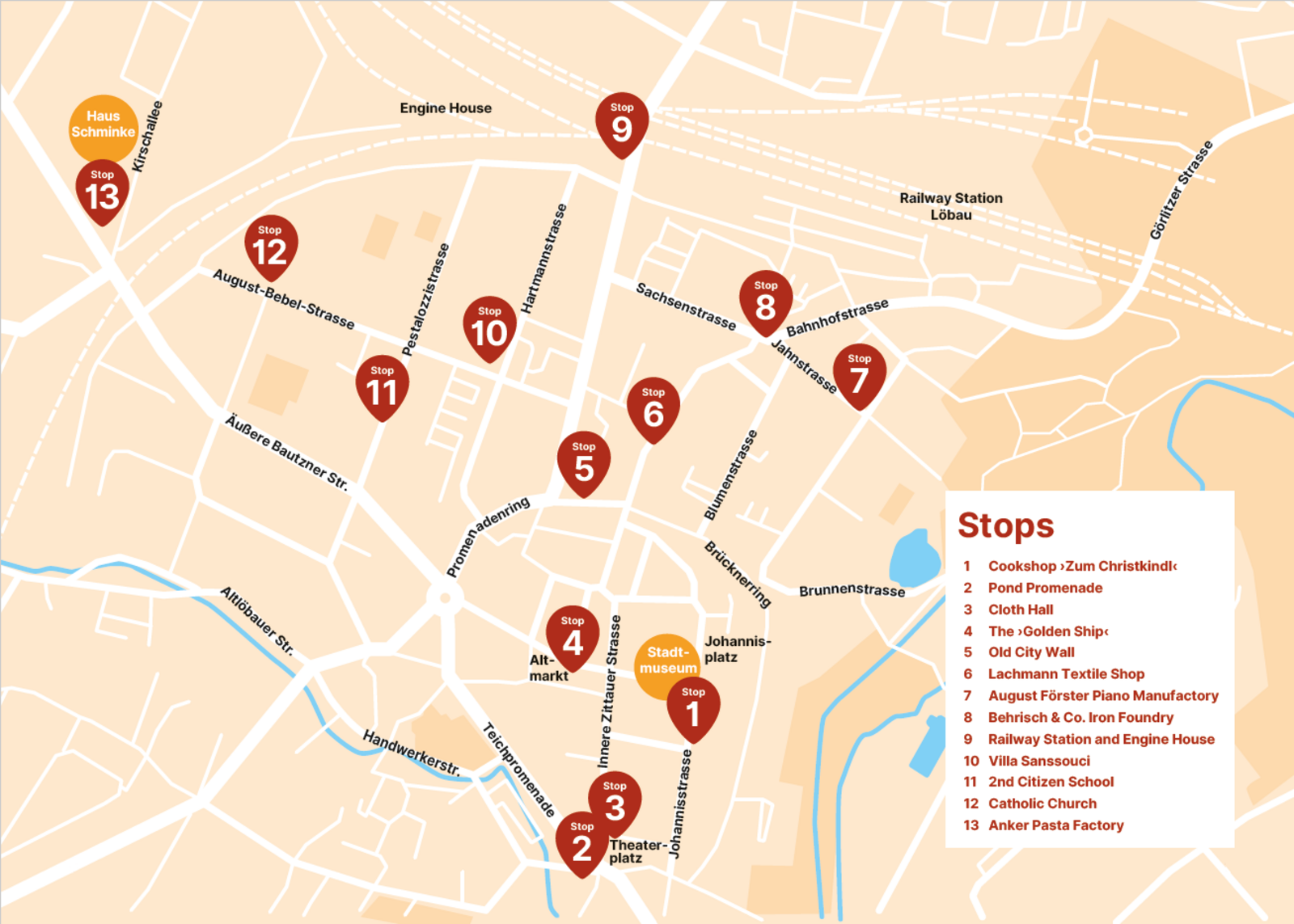
The entire walk is approximately 2.8 km long. If you have difficulty finding one of the QR codes, all locations can be found here.
The project wants you to take a walk through the city. The stops on this website can therefore only be seen via the QR codes. However, you can also read all the texts in the paper brochure. It is available free of charge at the Stadtmuseum, Haus Schminke, and at the Tourist Information Office.
Welcome to Löbau!
Welcome to Löbau, the industrial heart of upper Lusatia! The golden age of industry in Upper Lusatia has long since faded, but Löbau, much like other towns in the region, once buzzed with industrial fervour. It all began in 1835 when Johann Gottlob Hildebrandt set up a yarn dyeing mill, now regarded as Löbau’s first factory. Others soon followed suit, transforming this modest market town into a thriving industrial hub. But what did this shift mean for life in the town? How did industrialisation shape the lives of its people? Step into the stories of six characters - Johann, Hedwig, Carl, Anna, Emil, and Hertha - who might have called Löbau home between 1835 and 1935.
Discover their tales in the exhibition spaces of the Stadtmuseum Löbau and at Haus Schminke, and join them for a journey through the town. At 13 stops, from the railway station to Theaterplatz and the Schminke House, QR codes await to be scanned with your smartphone, bringing their stories to life. Alternatively, you can embark on this journey with a printed brochure, available at the City Museum, the Schminke House, or the Löbau Tourist Information Office. Uncover the lives of these protagonists and gain a deeper understanding of what it meant to live in the industrial heart of Löbau.
Have fun!
Johann
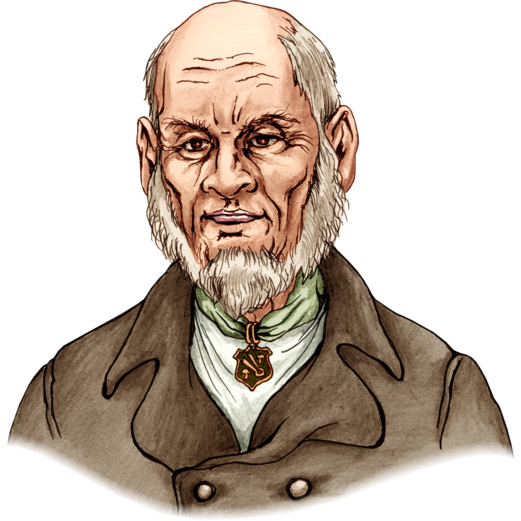
Johann, born in 1774, is a master clothier who views the rise of new factories with suspicion. He’s deeply worried about what industrialisation means for the future of his trade. The clothiers’ guild remains his cornerstone, a vital anchor in a rapidly changing world.
Hedwig
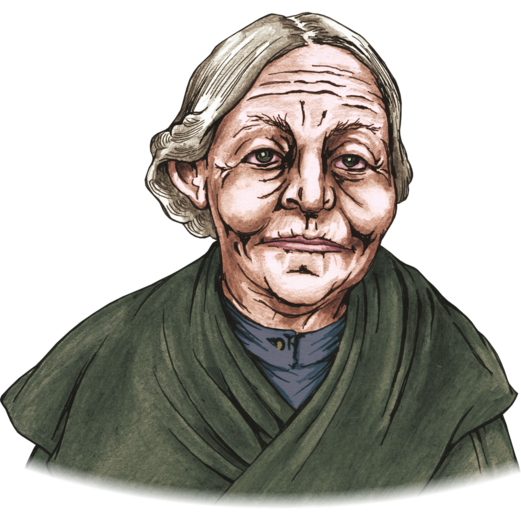
Hedwig, born in 1785, has lived in Löbau all her life and is now widowed. The changing townscape pulls at her heartstrings, though she’s quietly pleased with some of the modern touches. Supported by a charitable foundation, she just about gets by, as her own means aren’t enough.
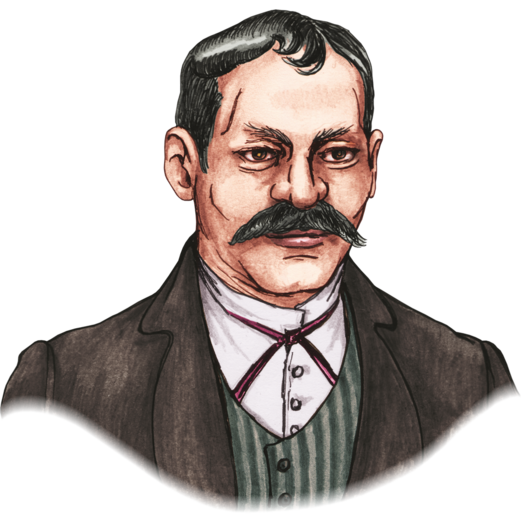
Carl
Carl, born in 1842, moved to Löbau from Lower Silesia with dreams of making it big as an entrepreneur. As an ironmonger, he’s chuffed to bits about the bustling factories and the new railway line in Löbau. He’s even mulling over the idea of emigrating to America one day.
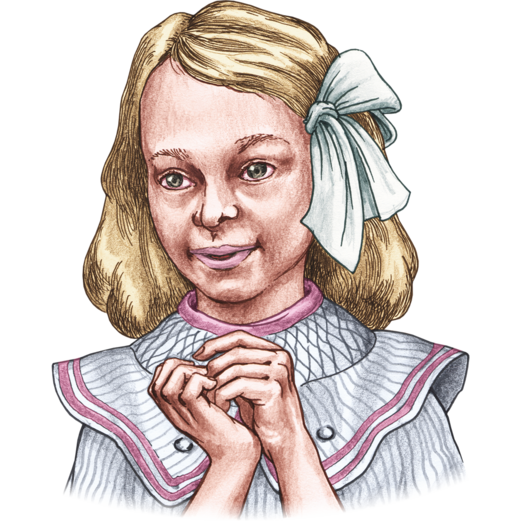
Anna
Anna, born in 1902, is the daughter of a wealthy factory owner in Löbau. She leads a privileged life in a grand villa with staff and adores playing the piano. The notion that other children in her town are poor is utterly beyond her.
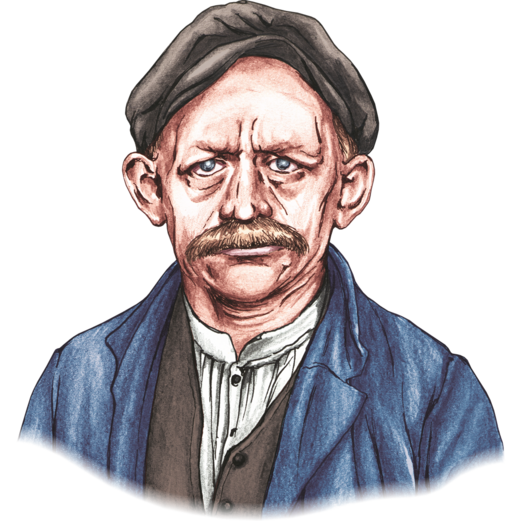
Emil
Emil, born in 1865, is a factory worker who is dissatisfied with his working conditions and is involved in the trade union. His children had to leave school early to help support the family. A place in one of the new kindergartens for his youngest would be a godsend.
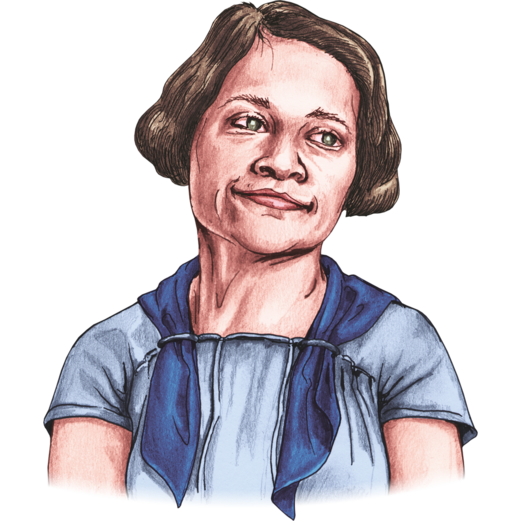
Hertha
Hertha, born in 1913, comes from a small village where her parents run a modest farm. She had to leave school early to help keep the family afloat. Recently, she started working at the Anker pasta factory and cycles to work on her bicycle.